
Converting a boat to electric
Workshop in Monster
Sloops, motorboats & sailboats
Custom work by boat
Own range of drive systems
From shore power to propeller
Why convert?
Give your boat an electric future
An existing boat does not need to be replaced to sail electrically. With a conversion, the boat you know remains the starting point. Our experts then look at the space on board and the propulsion system, the desired use, and the charging options.
- Sailing more quietly without exhaust fumes on board
- Less maintenance on the drive system
- A system tailored to how and where you sail
- Delivering the complete electrical package, from lighting to navigation
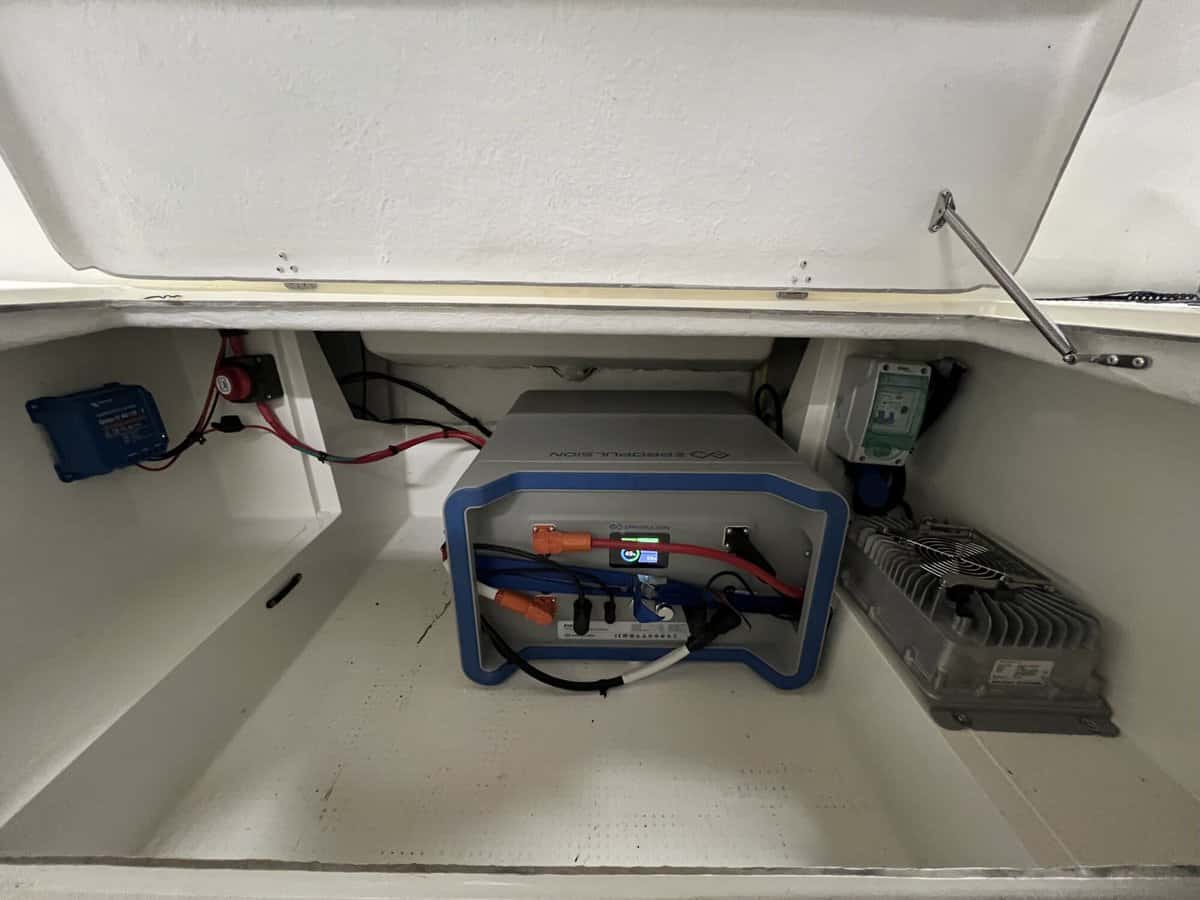
The benefits on the water
Why boat electric?
An electric drive changes the experience on the water. You sail in silence, without pollution, emissions, or leakage, above or below the water. Additionally, it requires less maintenance and makes your boat more reliable. Below are the key benefits of a suitable conversion.
Sailing more quietly
No sound of a combustion engine. This provides more peace and quiet on board and in the boating area. While sailing, you naturally start whispering and become much more aware of the nature around you. Once you have experienced it, you will never want to go back.
No exhaust fumes while sailing
Outboard motors discharge underwater; this is 100% eliminated with the electric drive. The electric drive emits no exhaust fumes while boating. Pleasant for everyone on board and in the surrounding area.
Less engine maintenance
An electric motor has fewer moving parts. Fixed or regular maintenance items of a combustion engine (such as engine oil and filters) are eliminated.
Usage costs per sailing hour
A combustion engine primarily produces heat and dissipates this heat through the cooling system and exhaust gas. This waste does not occur with an electric motor, which is therefore much more efficient. With current electricity costs (2025 measurement), a sloop can travel up to 50 km for €1. Read our blog for more information.
Immediate response
An electric motor responds instantly to the operation of the throttle. This helps with controlled maneuvering.
Preserve your boat
You continue sailing with the boat that suits you. The propulsion system is reconfigured to suit your wishes and the possibilities on board.
A different approach for every boat
Which boat do you want to electrify?
The required propulsion system and battery depend on the boat and its usage. Select a type to view a suitable next step.

Sloop or small motorboat
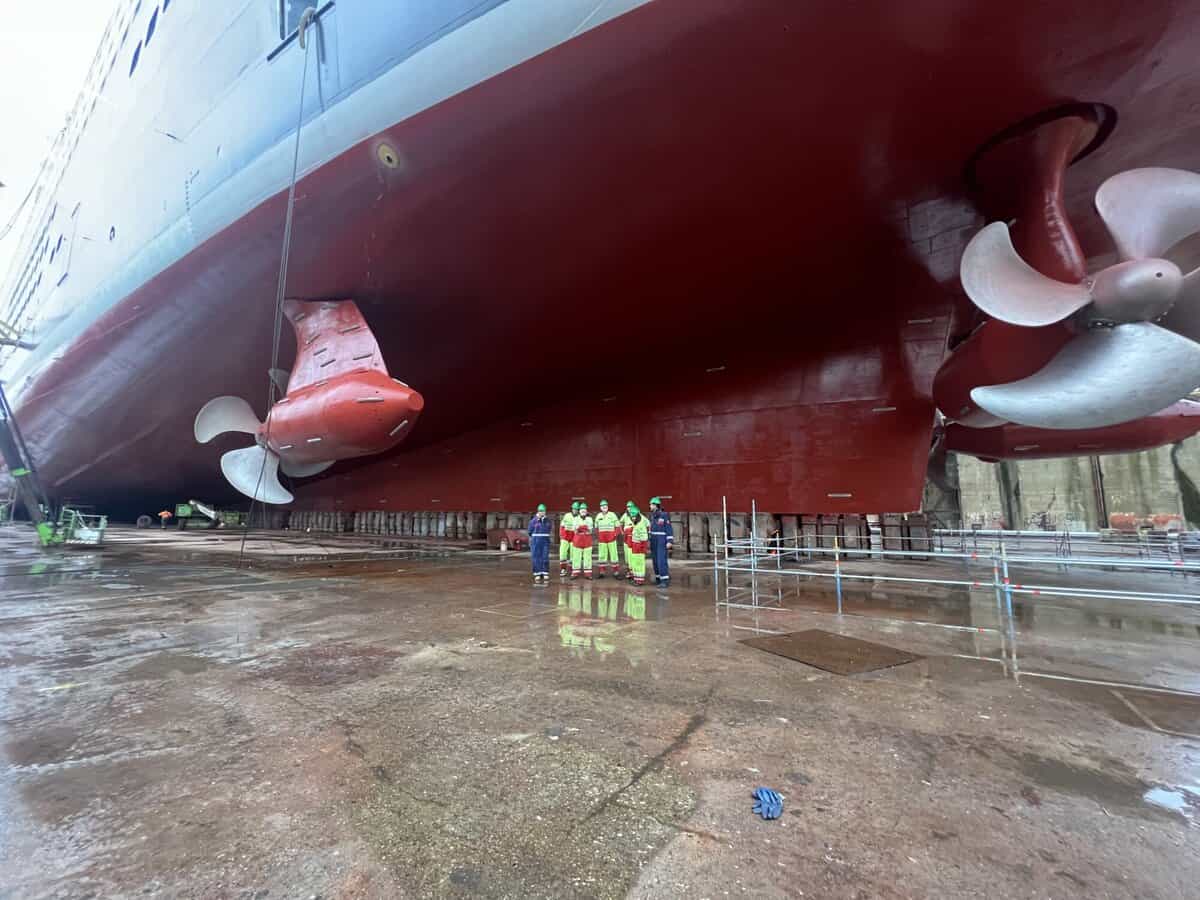
Powerboat

Sailboat
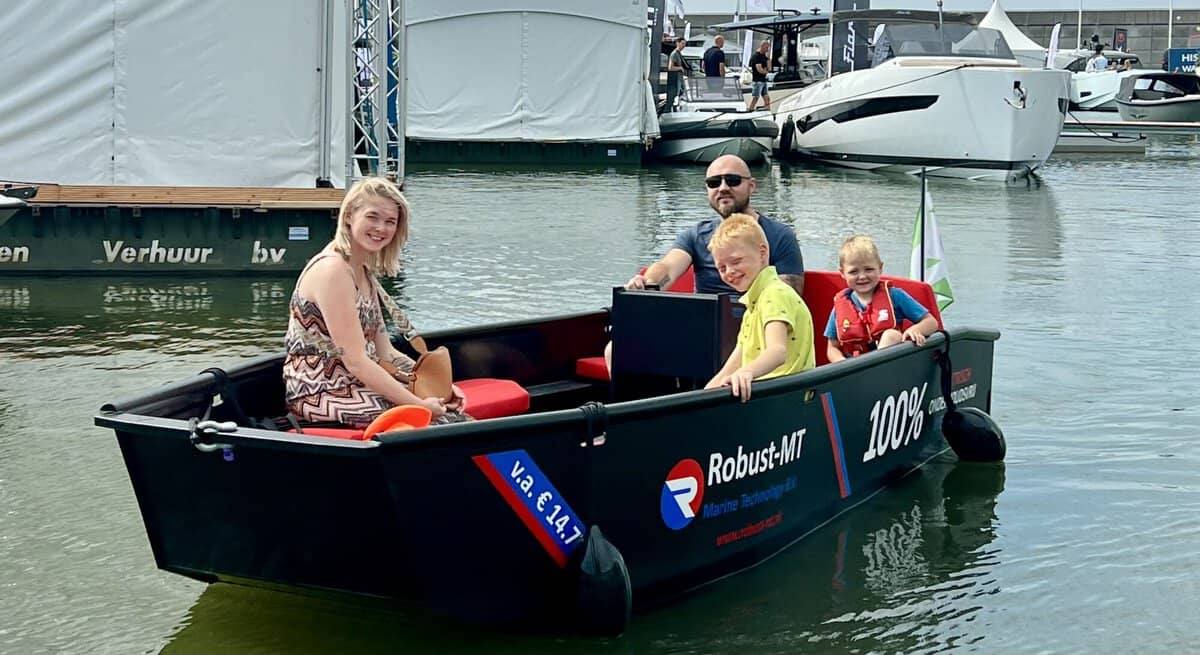
Business use / rental
from plan to sea trial
This is how we convert your boat
1. Inspection & sailing preferences
We discuss the current engine, dimensions, weight, desired speed, and how long you want to cruise.
2. Design & proposal
We select a suitable drive system, battery capacity, and charging solution, and create a tailored proposal. In doing so, we provide complete solutions in which the drive system is integrated with the other on-board systems.
3. Conversion in the workshop
We remove the existing system where necessary and install the electric drive and associated technology.
4. Testing & sailing
After checks and a test run, you will receive an explanation of the system and its use on board.
Insight into the investment
How much does it cost to convert a boat to electric?
The investment for an electric conversion depends on the boat type, the chosen propulsion system, and the desired range. The battery bank is a significant cost item. The table below provides an initial indication per boat category:
Boat category | Total investment (incl. batteries) | What is included | Payback period * |
|---|---|---|---|
Small sloop up to 5 m · outboard | € 2.500 – 5.500 | Motor, battery (1–4 kWh), charger, installation | 3 – 6 years |
Sloop / open motorboat 5 – 7 m · inboard | € 10.000 – 20.000 | Inboard engine, battery (6–20 kWh), shore power, charger, installation | 4 – 8 years |
Motorboat / cabin cruiser 7 – 12 m | € 10.000 – 40.000 | Powerful motor, large battery bank (8–100 kWh), BMS, charger | 5 – 10 years |
Sailboat 6 – 14 m | € 2.500 – 40.000 | Outboard motor, inboard motor, pod or saildrive, battery (4–60 kWh), shore power, charger, optional solar panels | 3 – 7 years |
Draft indications from the provided table; not a quotation or guaranteed savings. Before publication, verify all prices, battery capacities, included work, and the payback period calculation. The latter depends on, among other things, annual boating hours, electricity and fuel prices, maintenance, and boat usage.
Would you like to know what the conversion of your boat costs?
The question behind the conversion
How far can you sail electrically?
The cruising range depends on the usable battery capacity and the power the motor draws at your cruising speed. Hull shape, weight, wind, and current, in particular, make a difference. The calculation example on the right shows how speed, kWh, and cruising time are related.
- What distance or sailing time do you usually wish to cover?
- How fast do you usually sail?
- Where and when can you charge the boat?
For your boat, we calculate the required system based on your own sailing profile and an appropriate energy reserve.
Practical calculation example
A boat of approximately 6 meters
Cruising speed
7.5 km/h
Average power
1.2 kW
Battery, nominal
10 kWh
Usable, assumption 80%
8 kWh
8 kWh ÷ 1.2 kW = approximately 6 hours 40 minutes
Indicative sailing distance:
approximately 50 km
6 hours 40 min × 7.5 km/h
Calculation example, not a measured result or range guarantee from Robust-MT. Extra reserve, higher speed, headwind, current, and onboard consumption reduce the practical distance. 10 kWh and 80% usability are chosen calculation assumptions.
Real projects by Robust-MT
Our electric boats in practice
We can electrify all types of pleasure boats! Below you can see a number of real-world examples:
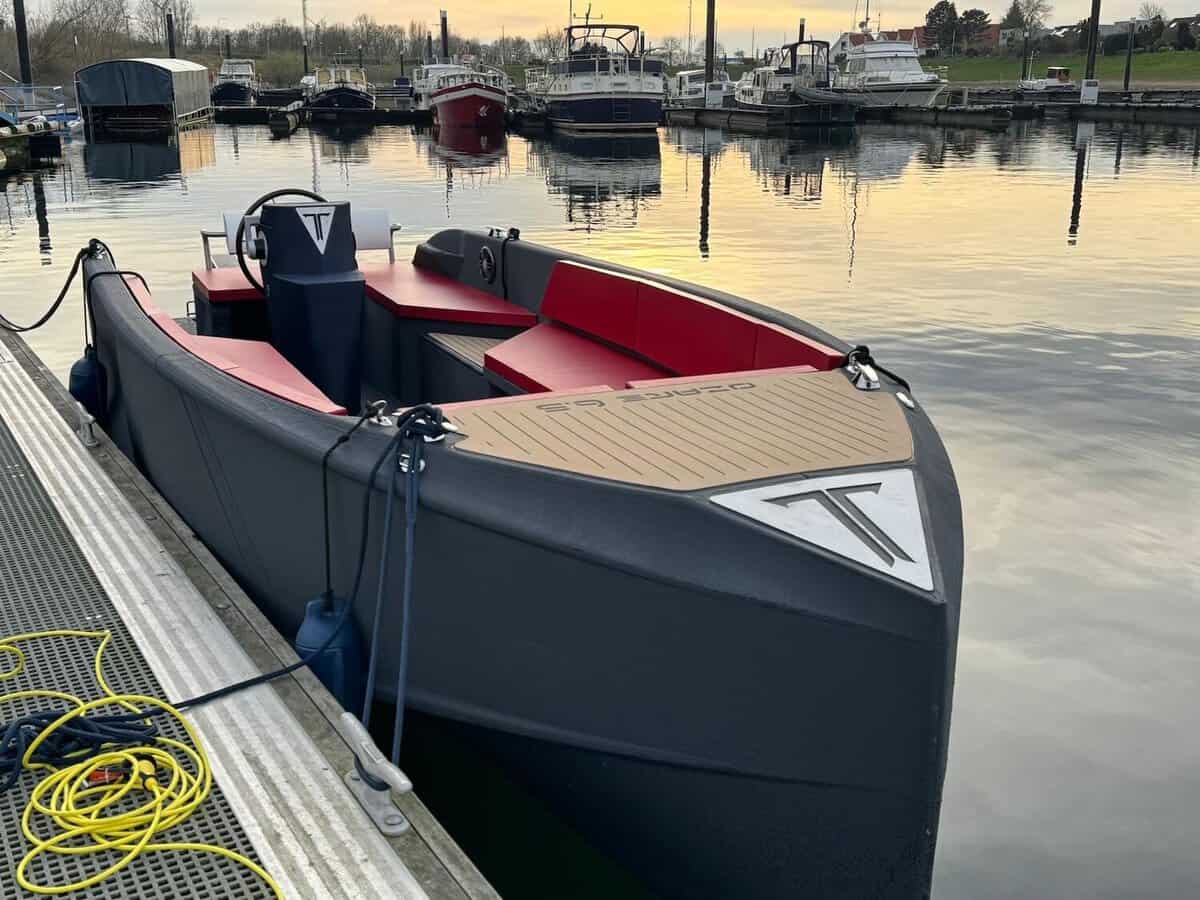
Mighty 3D-printed sloop HISWA 2023
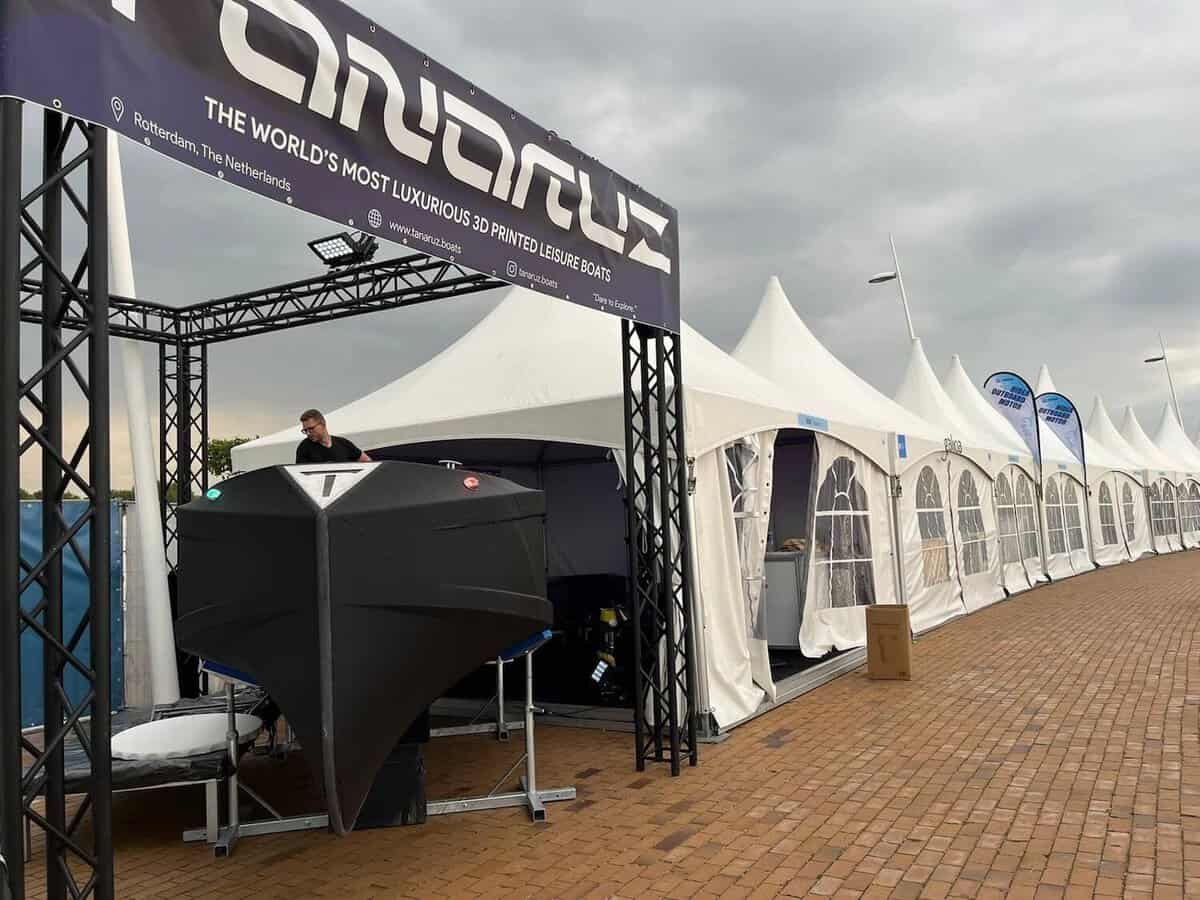
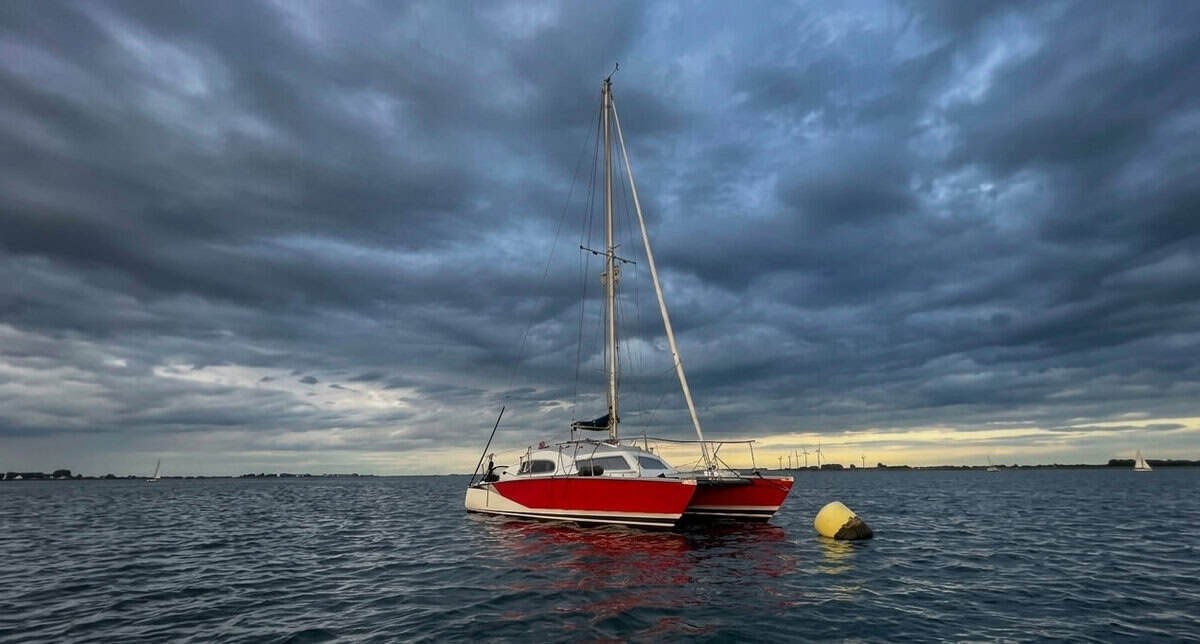
World premiere of electric Catamaran 'Lady Karemaniya'
Completion of new 3D-printed Ozare 6.5 sloop
World premiere of electric Catamaran 'Lady Karemaniya'
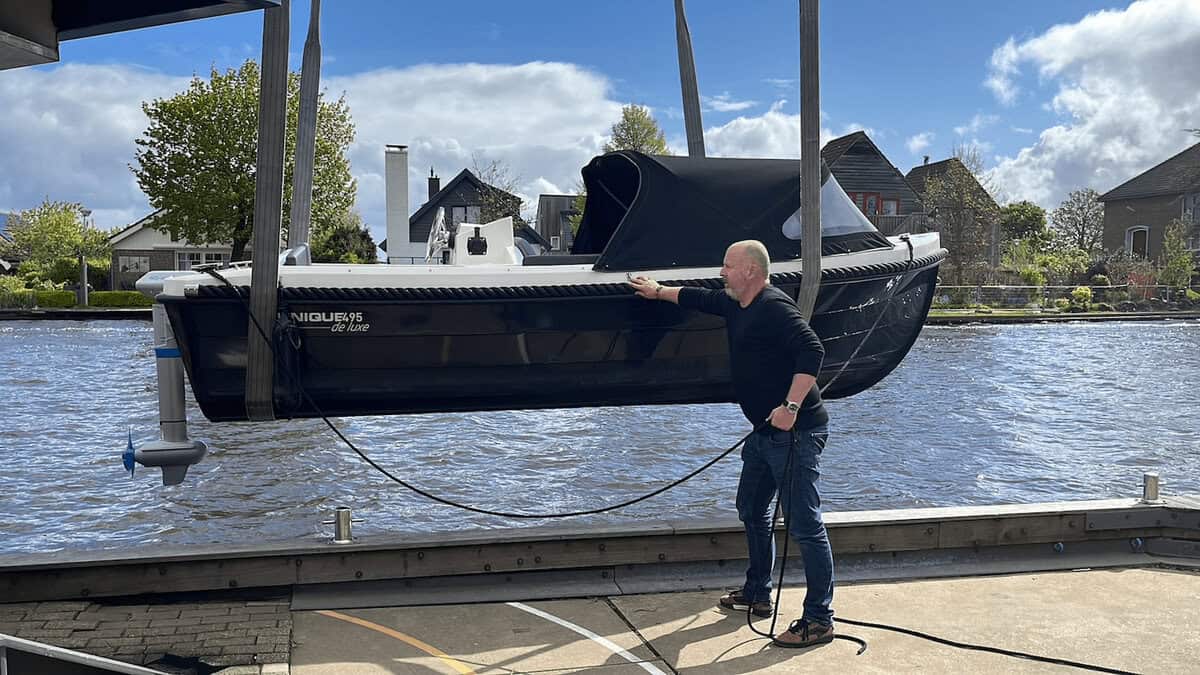
Electrification of a Unique Family 495 De Luxe sloop
FAQ
Frequently asked questions about electric boating
Can my existing boat be converted to an electric drivetrain?
Many boats are suitable. Whether fully electric propulsion suits your boat and usage depends on factors including weight, cruising speed, desired duration, installation space, and charging options. And, not to forget, your budget. All boats can be electrically powered, but speed and weight/resistance are proportional to an increasing budget. We assess this during the inspection.
What determines the cost of an electric conversion?
Especially the chosen propulsion system, battery capacity, necessary modifications, and installation. Once we gain insight into your boat and boating preferences, we can create a tailored proposal.
How many hours can I sail with an electric boat?
That depends on consumption at your speed and the usable battery capacity. Wind, current, load, and hull shape also play a role. Therefore, an indication belongs to a specific sailing scenario.
How do I charge the batteries? Do I always need shore power?
Charging is possible via shore power (the most common method), via solar panels (ideal for moorings without power), via a small generator as a backup, or via a portable battery in a small sloop (8kg) that can simply be charged and stored at home (or during lunch at a waterside restaurant). Check out our electric boat charging blog for more information.
Your boat, your boating wishes
Discover what electric boating means for your boat
Tell us which boat you have and how you want to sail. Then we will discuss the potential propulsion system, battery, charging solution, and the next step together.
Workshop: Havenstraat 52k, Monster | Demo: Monster and Stellendam
Useful for the first conversation
Keep this information at hand:
- Boat type and length
- Current engine and drivetrain
- Desired speed and sailing time
- Loading options